A dream about your partner cheating is not evidence of infidelity. It can leave real feelings behind, but it cannot establish what another person has done or will do. Start by noticing the emotion, then consider whether it connects with anything in your waking life.
You wake with a scene still vivid in your mind: a message on a phone, a familiar face, your partner turning away. For a moment, the hurt feels as if something actually happened. Even after you recognise it was a dream, the atmosphere can linger.
You do not need to dismiss that feeling or turn it into an accusation. There is a useful middle ground: acknowledge the experience, separate it from the facts, and decide whether there is anything you want to understand or discuss.
What might the dream connect with?
There is no single interpretation that fits everyone. The following are possibilities to explore, not explanations you must accept. A dream on its own does not reveal your attachment style, diagnose insecurity or establish that your relationship has a problem.
A wish for more connection
Perhaps you have been spending less time together, feeling distracted or missing an ordinary moment of affection. If that resonates, the useful question is: “What kind of connection would I appreciate?” A concrete answer—an evening without phones, a proper conversation, more shared time—is more useful than trying to prove what the dream symbolises.
A familiar feeling from an earlier experience
If you have experienced betrayal, the feeling in the dream may remind you of it. Notice the resemblance without assuming the present is a repeat of the past. You might write: “This feels familiar because…” and then, separately, “What I actually know about my current situation is…”
Comparison, exclusion or being overlooked
Sometimes the most painful part of a dream is being replaced, laughed at or left out. Consider whether that feeling is familiar elsewhere: a friendship, work, family life or your own expectations of yourself. This is a reflection prompt, not a claim that cheating always represents something else.
No clear waking connection
You may be happy in your relationship and find no meaningful link at all. That is a valid outcome. You do not have to search for a hidden problem until you find one. A dramatic dream can simply be an experience you let pass.
Does the person or situation change the meaning?
Your partner cheats with a friend
The presence of someone you know can make the dream feel unusually specific. It still provides no evidence against either person. Ask what stood out: the loss of trust, comparison with your friend, or feeling excluded from a bond. Avoid treating the dream’s casting as a clue to investigate.
Your husband, wife, boyfriend or girlfriend is with a stranger
The relationship label and the stranger’s appearance do not unlock a standard meaning. Focus on what mattered to you in the scene. Were you frightened of losing someone, angry about disrespect, or surprisingly detached? Different emotions suggest different questions, even when the plot looks similar.
You discover messages or catch them in the act
A dream can stage a convincing discovery. That is part of the story you experienced while asleep, not a real discovery. If there are separate waking concerns, describe those specifically. Keep “I dreamed I saw a message” separate from “We have had an unresolved disagreement about our boundaries.”
The same dream keeps returning
Repetition can make a dream feel significant, but frequency does not turn it into proof. If you want to look for patterns, note the feeling, recent stress and how you slept. Stop the exercise if it becomes a cycle of searching for reassurance or building a case against your partner.
What does research actually tell us?
Research on dreams and relationships offers context, not a test for infidelity. In a two-week diary study, Selterman and colleagues examined dream reports alongside participants’ interactions with their romantic partners. Certain dream content and emotions, including infidelity and jealousy, were associated with less intimacy or more conflict on subsequent days.[1]
This was an observational study based on reports; it cannot establish that a particular dream caused an argument. It also did not show that a dreamed betrayal revealed a real affair. The practical takeaway we draw is modest: notice whether the feeling from last night is shaping how you treat someone today.
Stress and worry can also contribute to nightmares, according to NHS guidance.[2] That does not tell us why you had this particular dream. It gives you another area to consider alongside the relationship story: how life and sleep have been feeling generally.
Should you tell your partner?
You can, if sharing would help you connect. Give yourself time to settle first, and be clear that you are describing a dream rather than alleging something happened. For example:
“I had an upsetting dream and woke up feeling a bit distant. I know it wasn’t something you did. I think I’d appreciate some time together today.”
If a real concern exists independently of the dream, name that concern directly:
“We’ve barely had time to talk this week, and I’ve been missing you. Could we make some time tonight?”
The goal is to make an understandable request. A dream is not a reason to demand access to a phone, search someone’s belongings or ask them to defend themselves against an event that happened in your sleep. Equally, you do not need to ignore genuine waking concerns just because a dream brought your attention to them.
A five-minute reflection: feeling, fact, next step
Try this on paper. You do not need to record every detail or find a profound answer.
- Name the feeling. “The strongest feeling when I woke up was…” Choose your own word: hurt, anger, fear, embarrassment, loneliness or something else.
- Separate the story from the facts. Write one sentence about what happened in the dream and another about what you actually know while awake.
- Look for a personal connection. “Where, if anywhere, have I felt something similar recently?” Leave room for “nowhere obvious.”
- Identify a need. Would rest, affection, time alone, an honest conversation or a clearer boundary help?
- Choose one proportionate action. Make a small request, plan something enjoyable or let the dream go. You do not need to solve your whole relationship this morning.
What about symbolic or spiritual interpretations?
You can use a symbolic lens to ask questions about trust, loyalty or belonging. Treat the interpretation as a possibility to try against your own experience, rather than a verdict. “Where do I feel overlooked?” is a question; “this dream proves betrayal” is a conclusion the dream cannot support.
If faith is important to you, reflection or prayer may be part of your response. We do not assign a universal Christian or Islamic meaning to this dream, or present it as a prediction. A thoughtful spiritual response can leave room for uncertainty and fairness towards the people involved.
What if the dreams are affecting your sleep?
A calming bedtime routine and a brief sleep diary may help you notice patterns. If nightmares happen regularly and affect your sleep or everyday life, speak with a healthcare professional; NHS guidance recommends seeking help in that situation.[2] Support can focus on the distress and sleep disruption without treating the dream as a hidden truth about your partner.
Books for reflection and connection
Choose according to what you want to explore: your relationship, a practical conversation, or dreaming itself.
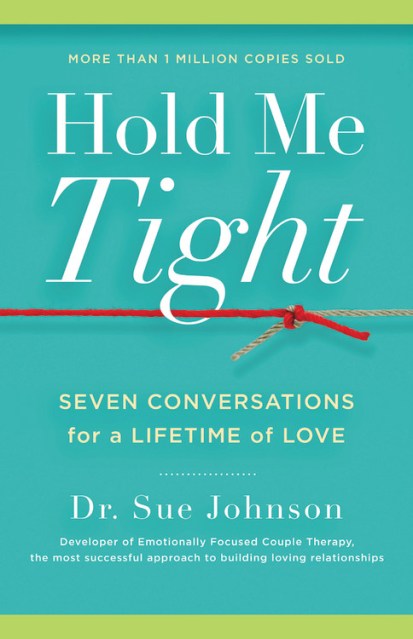
Hold Me Tight
Sue Johnson
A relationship-focused choice if your reflection brings up a wish for greater emotional connection. Johnson offers conversations and exercises for couples; this is about understanding each other, not interpreting dreams.
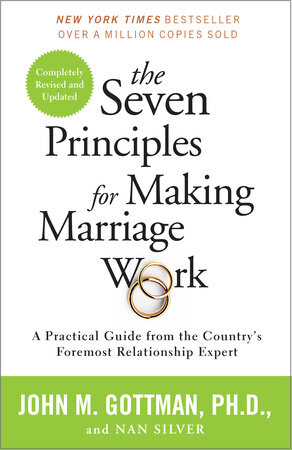
The Seven Principles for Making Marriage Work
John Gottman & Nan Silver
A practical option for married readers who want to explore friendship, communication and recurring disagreements together. Choose it for relationship exercises rather than a verdict on what your dream means.

When Brains Dream
Antonio Zadra & Robert Stickgold
Start here if your main question is why the sleeping mind creates such compelling experiences. The authors explore dream research and their theory of dream function, offering context beyond a dictionary of symbols.
Suggestions based on the books’ stated scope, not full book reviews. None is a test of whether a partner is faithful.
Sources & reading
- Selterman, D. F., Apetroaia, A. I., Riela, S. & Aron, A. (2014). Dreaming of You: Behavior and Emotion in Dreams of Significant Others Predict Subsequent Relational Behavior. Social Psychological and Personality Science, 5(1), 111–118.
- NHS. Night terrors and nightmares. Guidance on possible causes, self-care and when to seek help.
Prepared for DreamsDr with AI assistance. Research findings are referenced above; scenarios and reflection exercises are editorial suggestions, not diagnostic tools.
For another example of starting with the feeling rather than a fixed definition, explore our guide to levitation dreams.

Hi and welcome to my Dreams Dr website, it´s Christopher here, I am a Cognitive psychologist and dreams are my main focus in study, here I share with you my knowledge about dreams.